


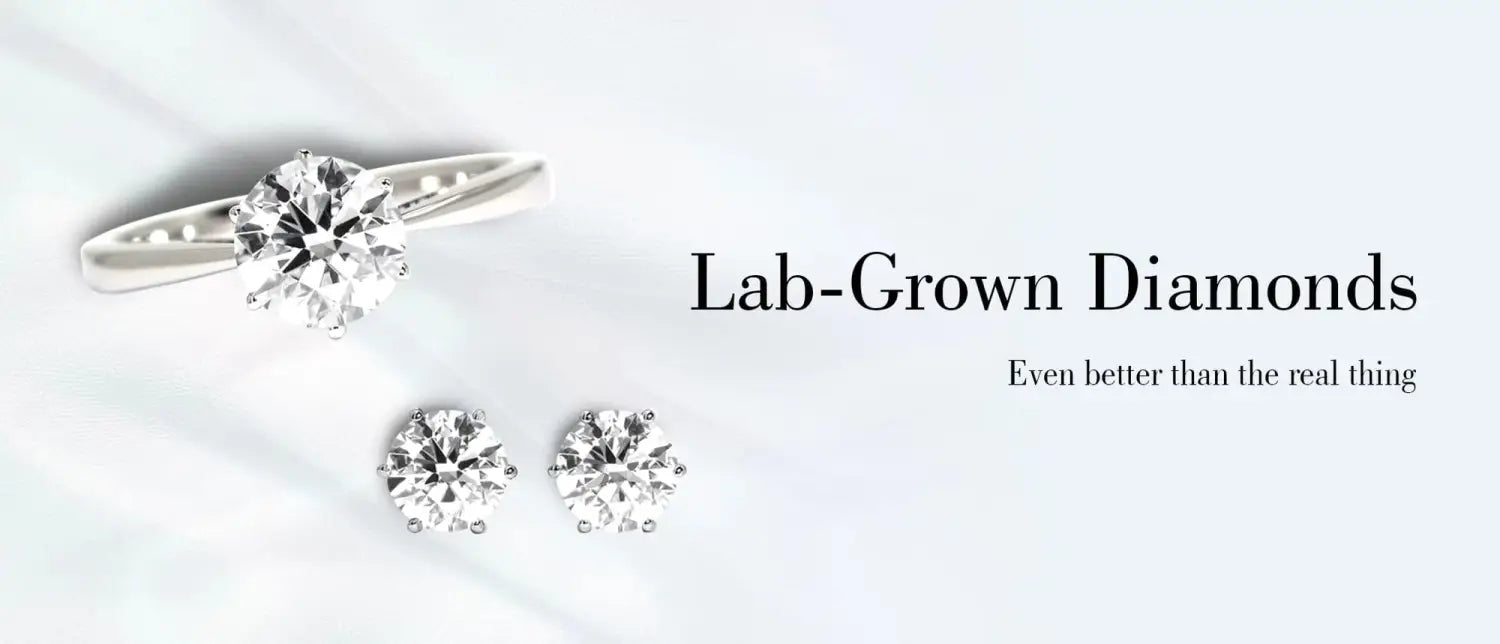
Lab-Grown Diamond Jewelry & Wedding Rings
A collection of lab-grown diamond rings and fine jewelry set in 18K Gold and Platinum, each independently certified by IGI or GIA.
What Are Lab Diamonds?
A lab-grown diamond is a real diamond. It shares the same chemical composition, crystal structure, and optical properties as a mined stone, the same hardness, the same refractive index, and the same brilliance under light. The only difference is the origin.
Mined diamonds take billions of years to form under intense geological pressure. A lab diamond, by contrast, is produced in a controlled environment using either Chemical Vapor Deposition (CVD) or High Pressure High Temperature (HPHT) technology. The result is physically and chemically identical to what comes out of the earth, and even trained gemologists cannot tell them apart without specialised equipment.
Both the GIA and IGI certify lab-grown diamonds to the same grading standards applied to mined stones.
Understanding the 4Cs
The same four criteria that govern any mined diamond apply equally to lab-grown stones.
- Cut determines how light moves through the diamond — how it reflects, refracts, and disperses into fire and brilliance. It is the most consequential of the four factors, and an Excellent or Ideal grade makes a visible difference regardless of a stone’s origin.
- Color is graded from D (colorless) to Z (noticeable yellow or brown tints). For most settings, a grade between D and H will appear white to the eye and represents a sensible balance of quality and price.
- Clarity describes the presence of inclusions and surface characteristics. For a stone that reads as visually clean, a grade of VS2 or SI1 is typically sufficient and offers good value at most carat weights.
-
Carat refers to the weight of the diamond, not its physical dimensions. Cut quality and shape both influence how large a stone appears on the finger, so carat weight alone does not tell the full story.
Lab-Grown vs Mined Diamonds
On a like-for-like basis, same carat weight, cut, color, and clarity, a lab-grown diamond typically costs 40% to 60% less than a mined equivalent. In practical terms, that difference often means a larger stone, a higher grade, or a more considered setting within the same budget.
|
|
Lab-Grown |
Mined |
|
Chemical composition |
Pure carbon |
Pure carbon |
|
Hardness (Mohs) |
10 |
10 |
|
Certification |
IGI or GIA |
IGI or GIA |
|
Typical price difference |
40 to 60% lower |
Higher |
|
Origin traceability |
Fully traceable |
Variable |
|
Environmental impact |
Significantly lower |
Mining-intensive |
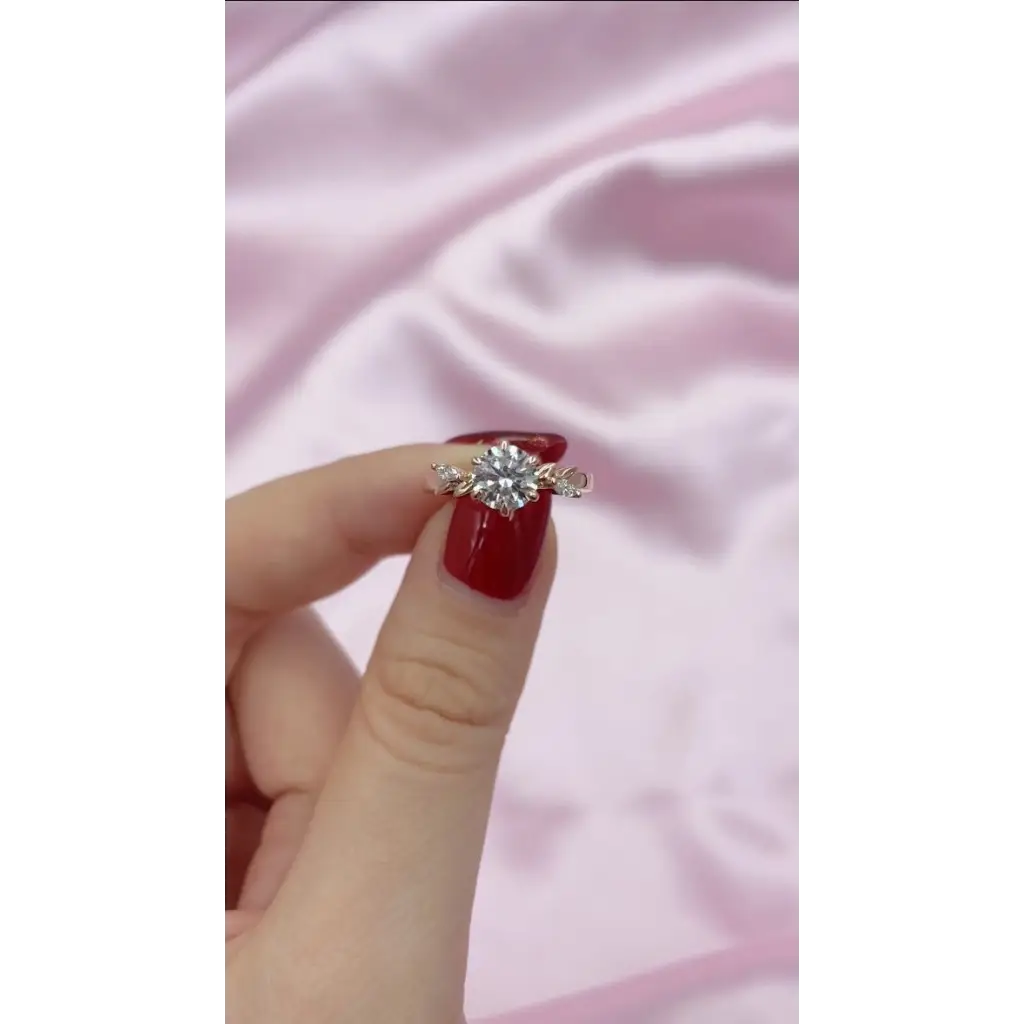
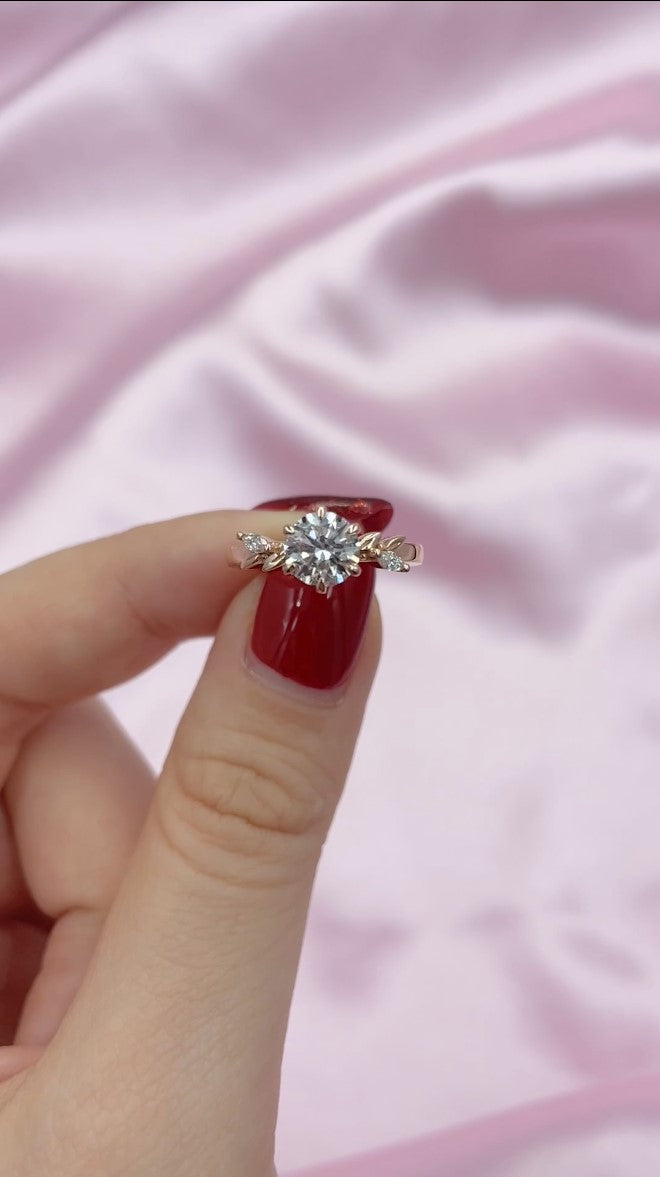


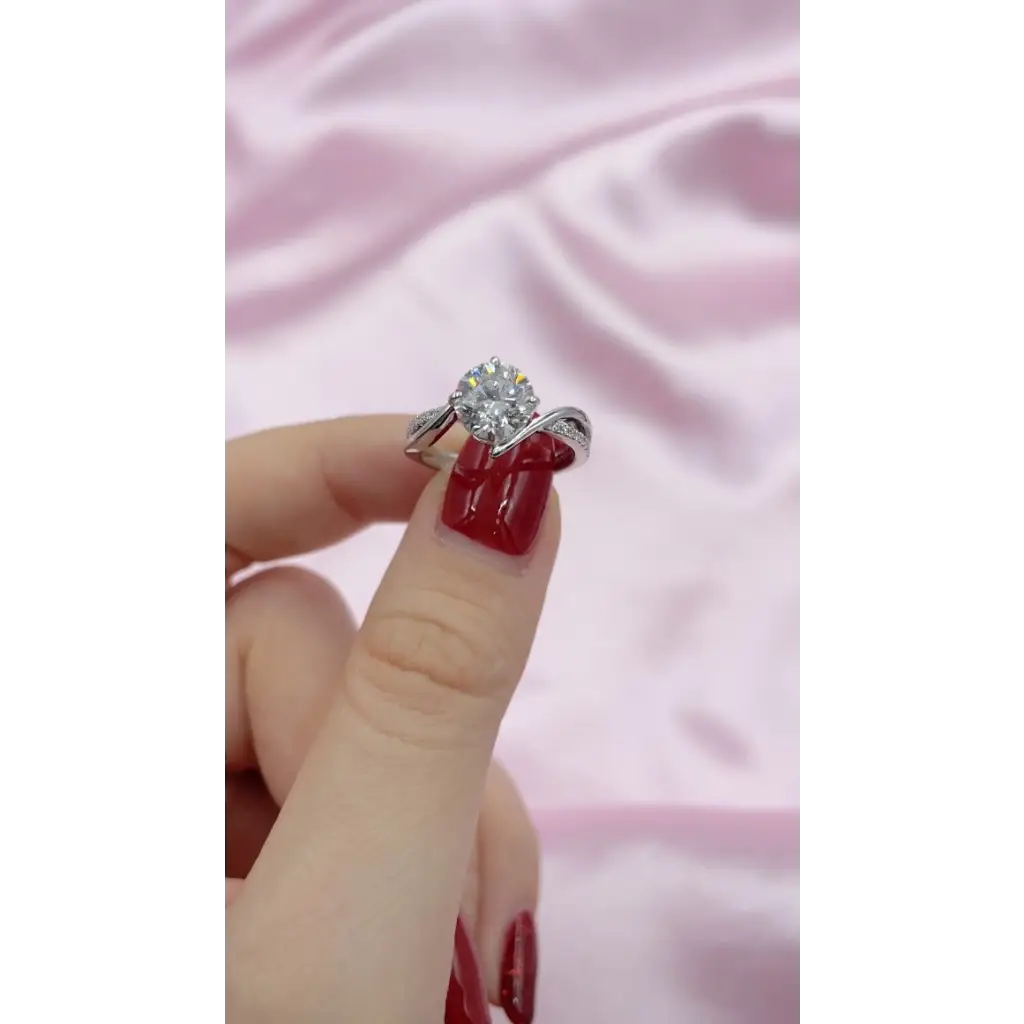
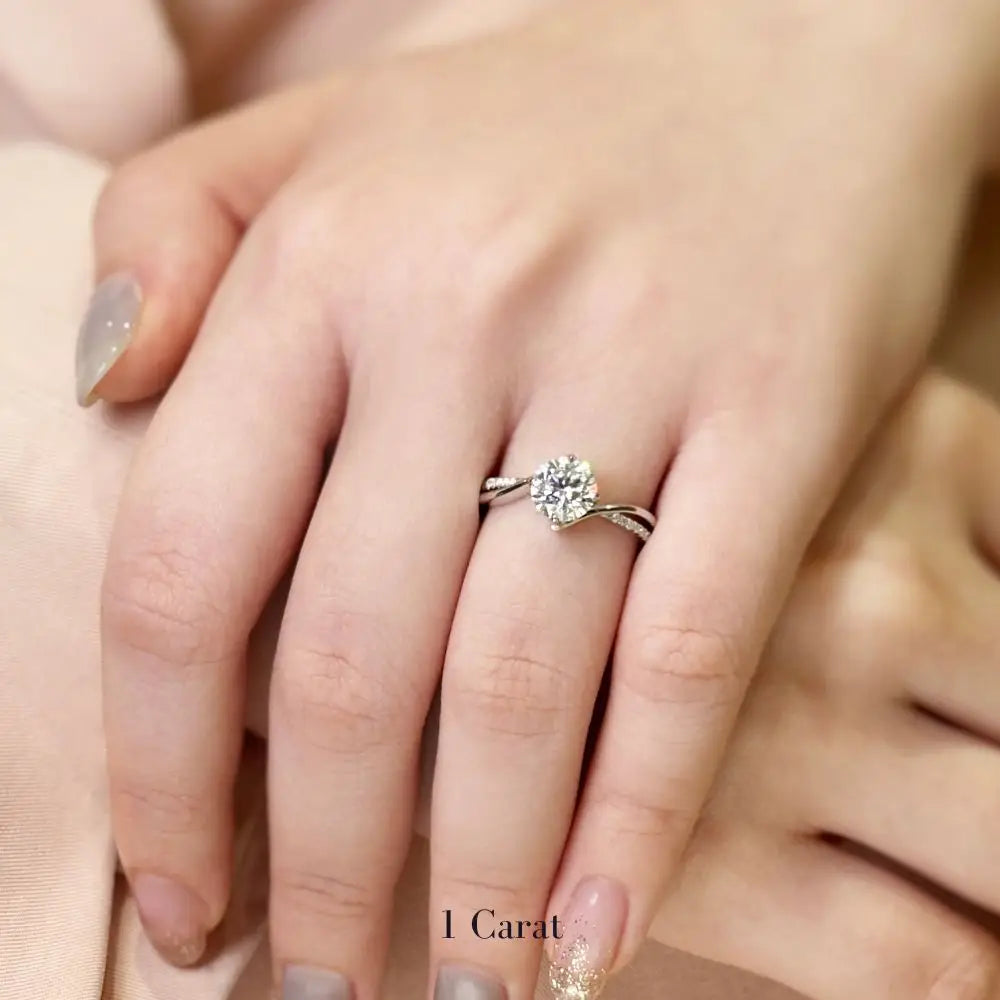


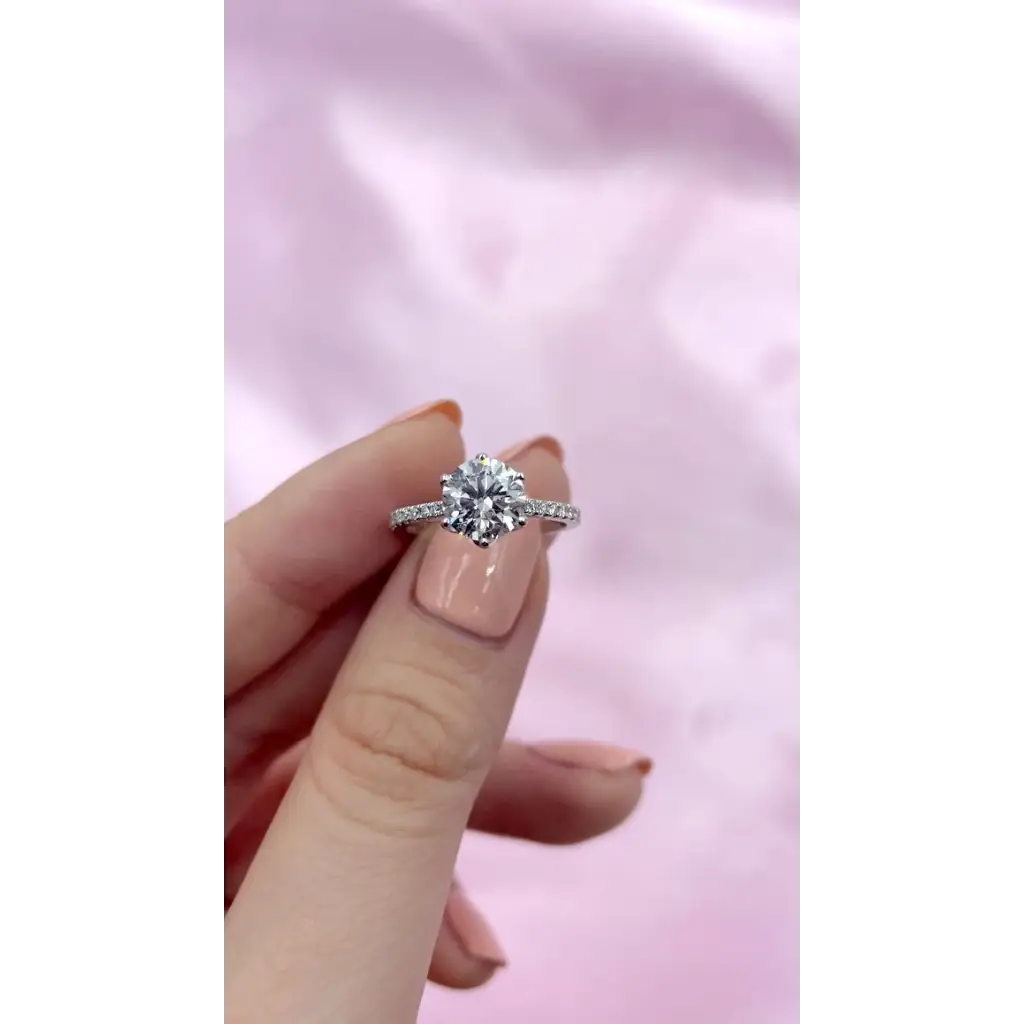
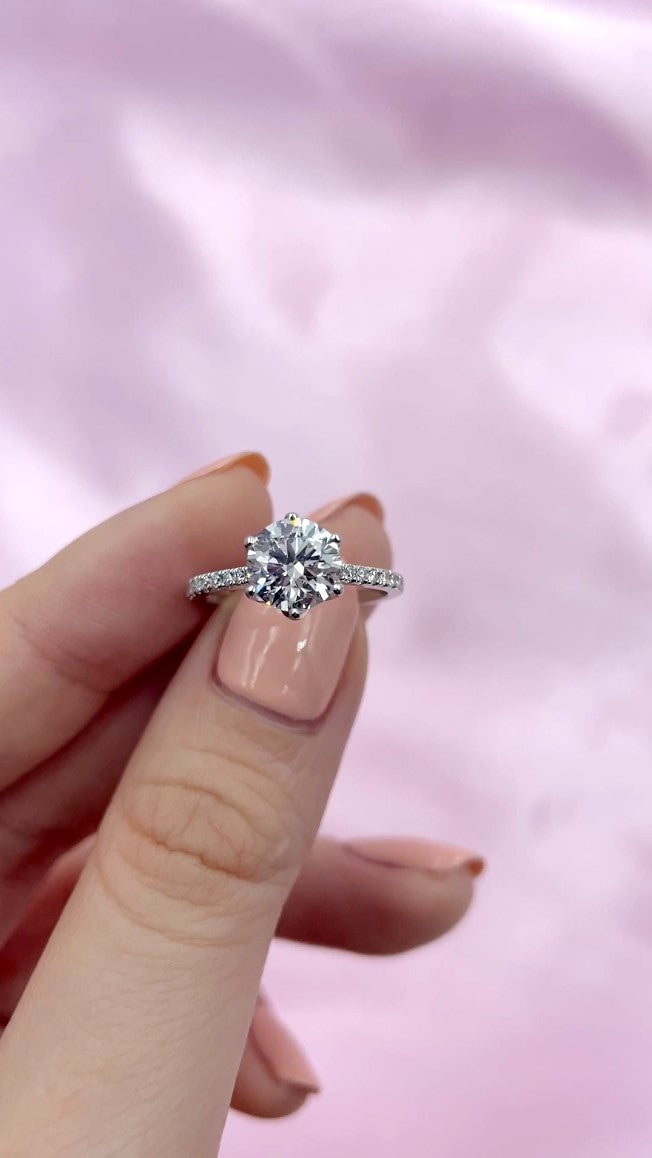


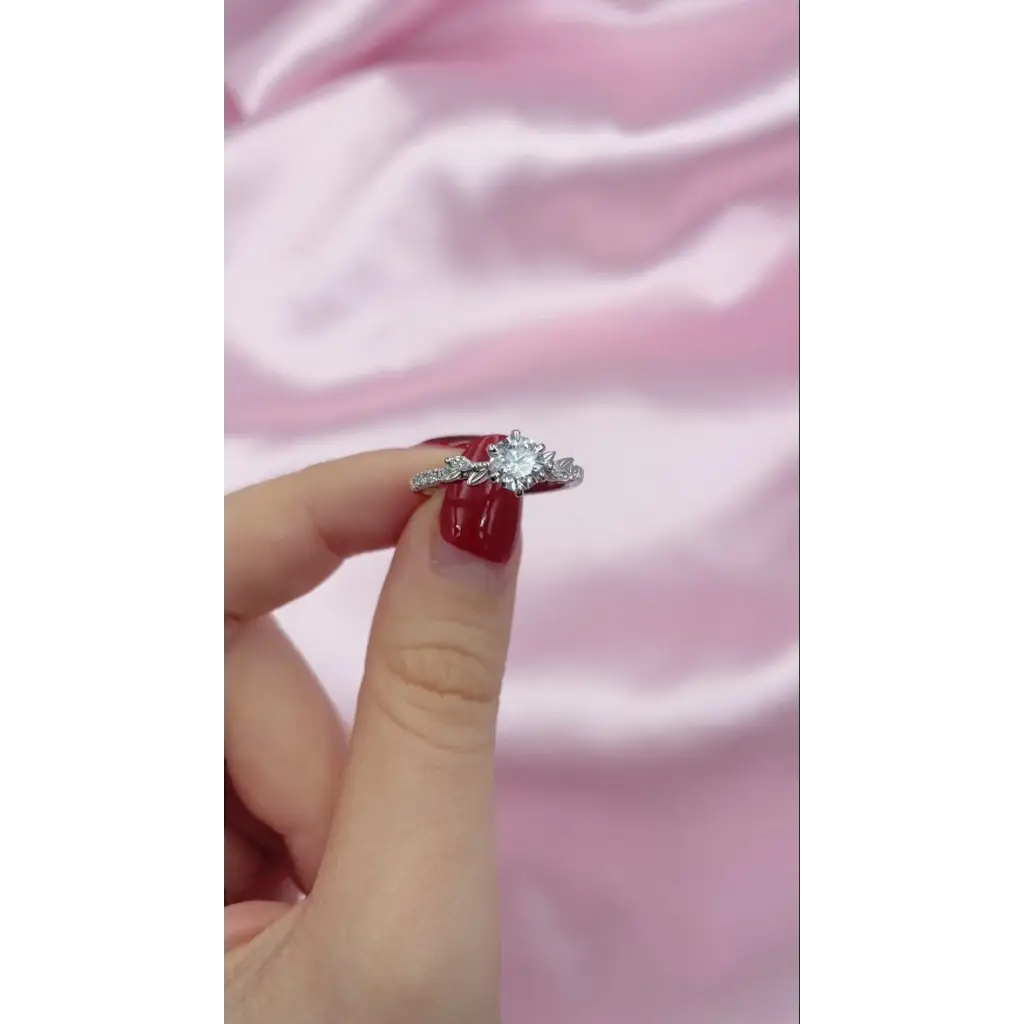
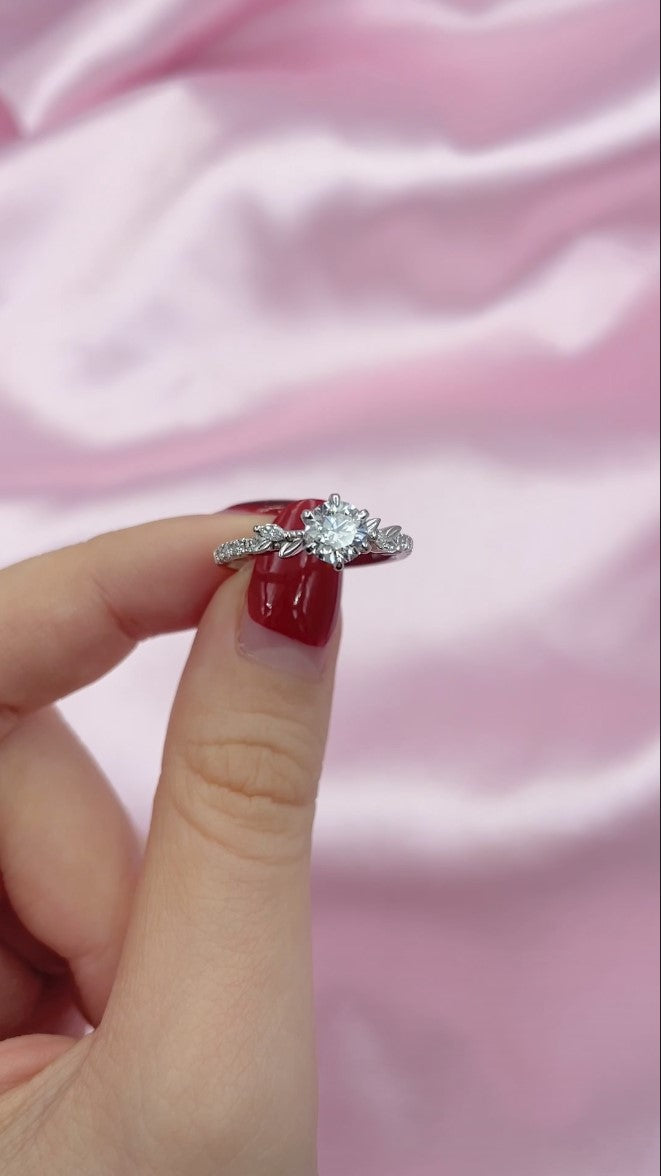


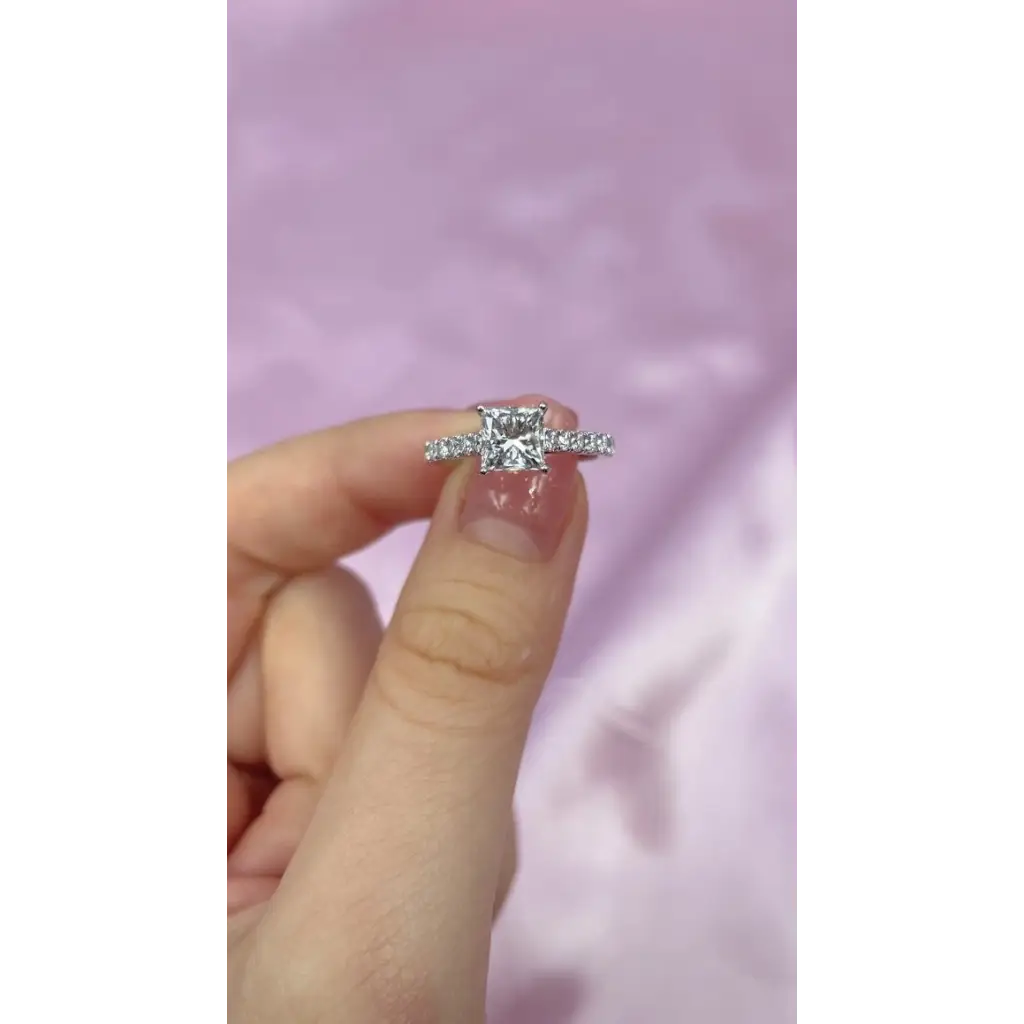
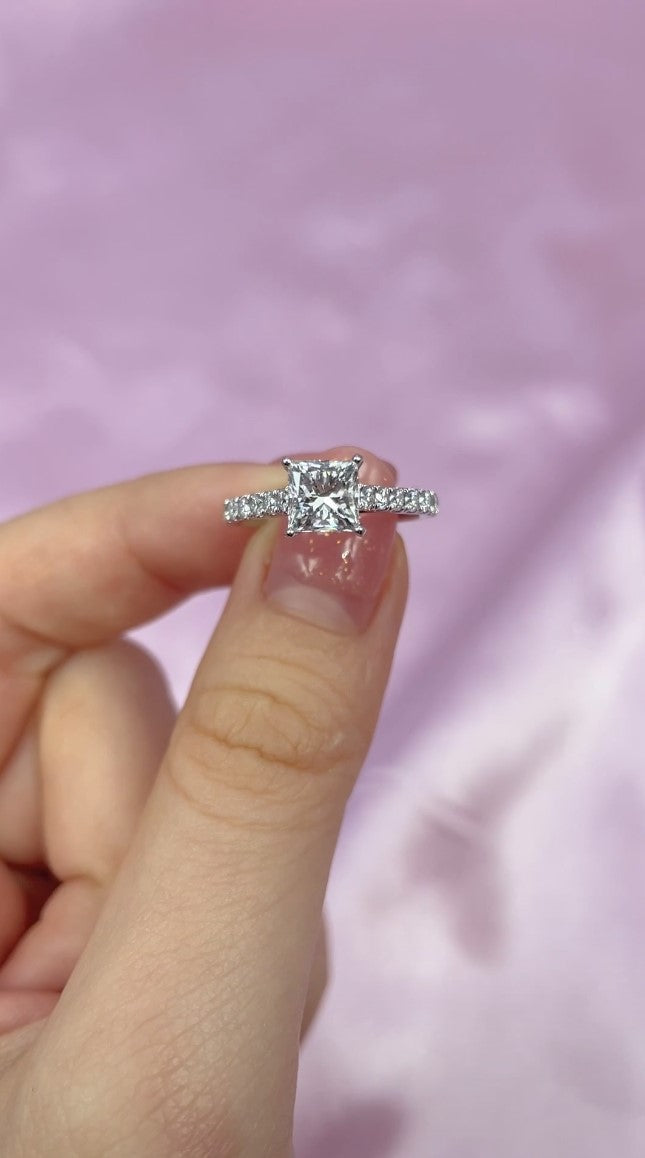


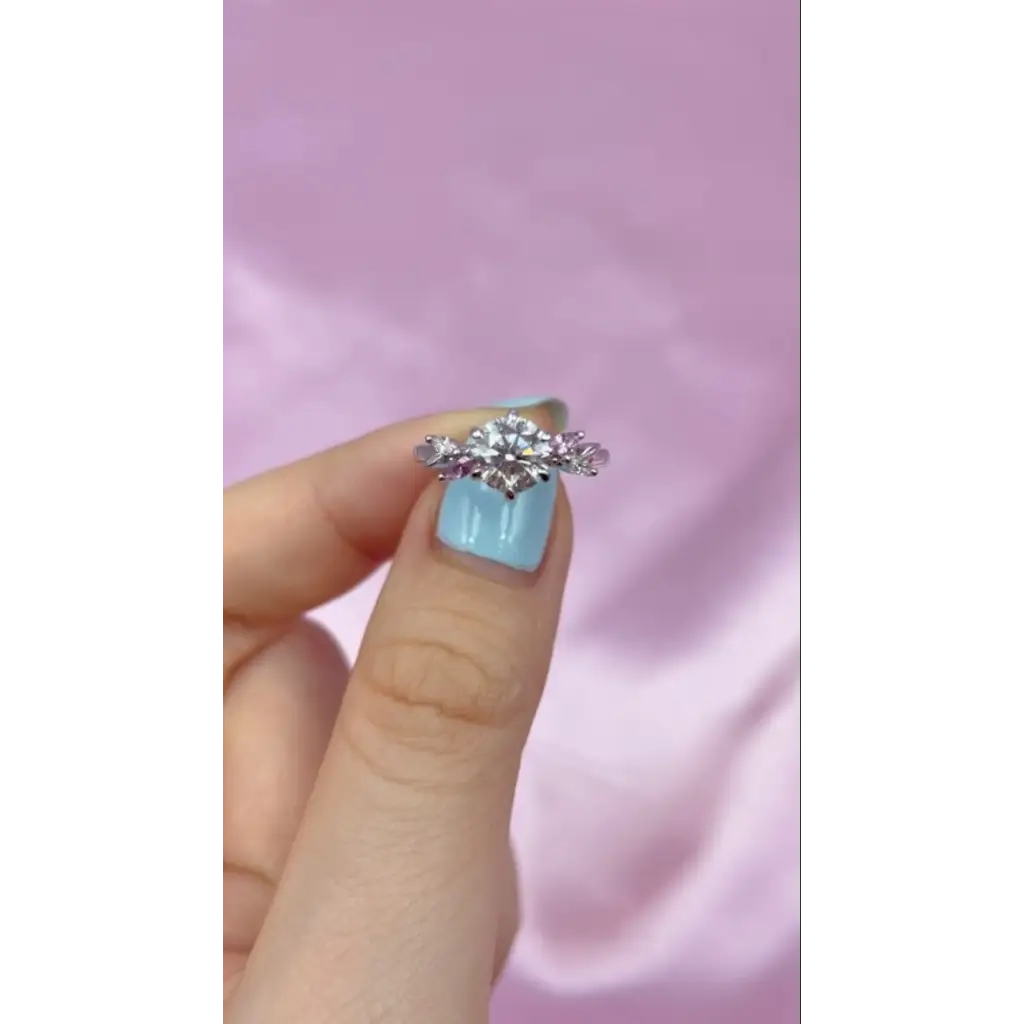
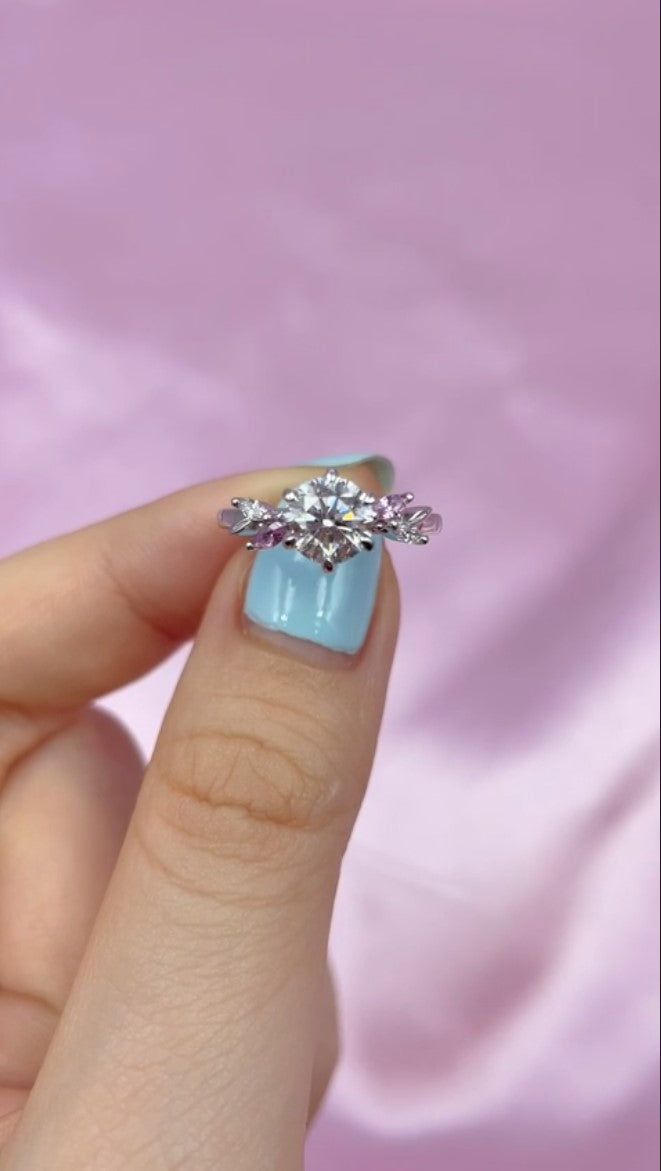


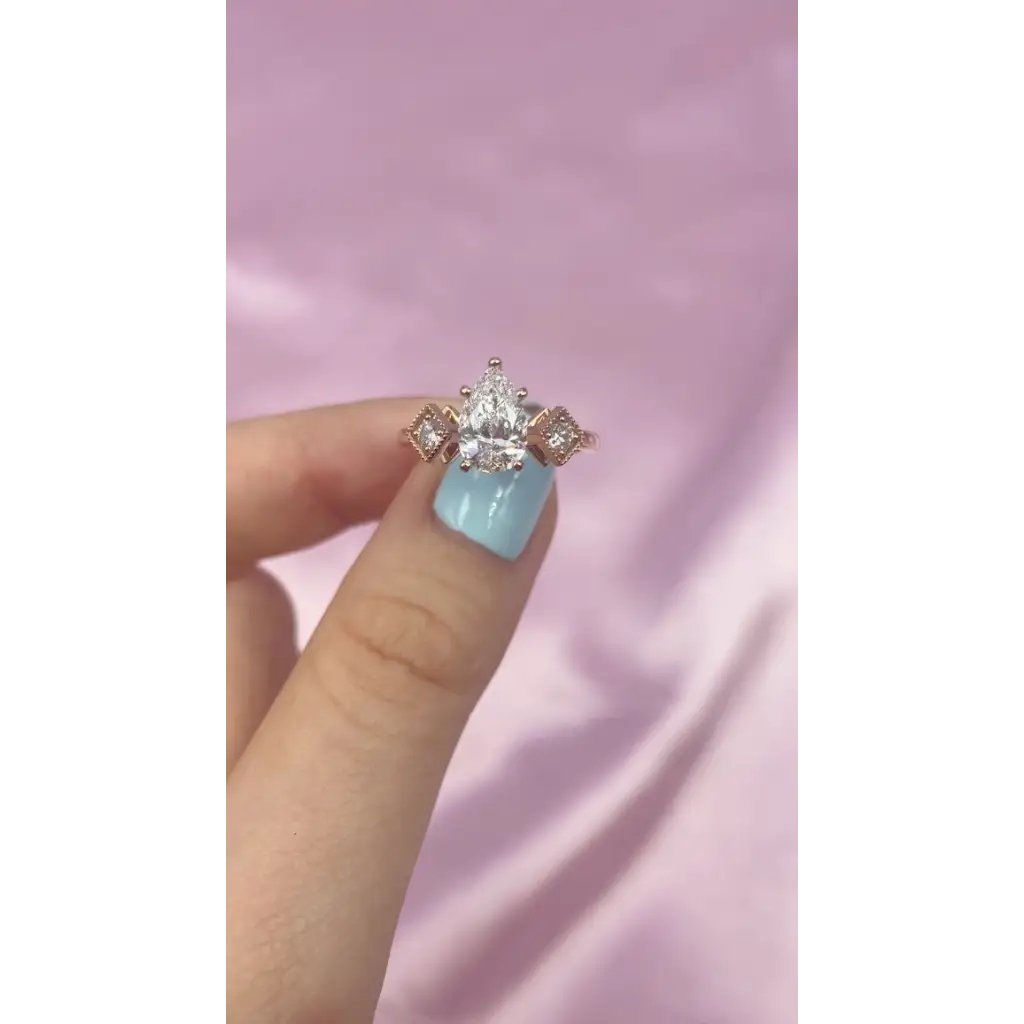


BENEFITS OF LAB GROWN DIAMONDS
Lab-grown diamonds offer the same brilliance and durability as mined diamonds but come with significant advantages in ethics, sustainability, and value.

Ethical & Eco-Friendly
Lab-grown diamonds are the sustainable choice for conscious consumers.
100% Conflict-Free: Fully traceable origins with no links to regional conflicts.
Zero Mining: Protects ecosystems by eliminating earth-disrupting open-pit mining.
Lower Footprint: Replicates a billion-year natural process in weeks, significantly reducing environmental impact.

Identical Quality, Better Price
Get the same luxury for a smarter investment.
Chemically Identical: Lab diamonds share the exact physical and optical properties of mined stones; they are "real" diamonds.
Exceptional Value: Costing 30% to 50% less, lab diamonds allow for larger carats or higher clarity on the same budget.
Indistinguishable: Even expert jewelers require specialized equipment to tell them apart from mined counterparts.

The Right Choice for Rings
Lab-grown diamonds make luxury accessible without compromising on quality. They offer the same iconic brilliance and "forever" durability as mined stones but at a fraction of the cost.
This allows couples to prioritize a larger carat weight or a superior cut within their budget, making it the smartest choice for high-quality, sustainable wedding jewelry.
Ethical and Eco-Friendly
Lab-grown diamonds are the sustainable choice for conscious consumers.
100% Conflict-Free: Fully traceable origins with no links to regional conflicts.
Zero Mining: Protects ecosystems by eliminating earth-disrupting open-pit mining.
Lower Footprint: Replicates a billion-year natural process in weeks, significantly reducing environmental impact.
Identical Quality, Better Price
Get the same luxury for a smarter investment.
Chemically Identical: Lab diamonds share the exact physical and optical properties of mined stones; they are "real" diamonds.
Exceptional Value: Costing 30% to 50% less, lab diamonds allow for larger carats or higher clarity on the same budget.
Indistinguishable: Even expert jewelers require specialized equipment to tell them apart from mined counterparts.
The Right Choice for Rings
Lab-grown diamonds make luxury accessible without compromising on quality. They offer the same iconic brilliance and "forever" durability as mined stones but at a fraction of the cost.
This allows couples to prioritize a larger carat weight or a superior cut within their budget, making it the smartest choice for high-quality, sustainable wedding jewelry.
HOW ARE THEY GRADED AND CERTIFIED?
Lab-grown diamonds follow the same grading criteria as mined diamonds. The key difference is that without the need for excavation, grading focuses directly on the stone’s clarity and quality rather than its potential suitability for use in jewelry.
For more information, contact us or book an appointment.
AS FEATURED IN


REASONS TO CHOOSE LECAINE GEMS
- IGI and GIA certified stones as standard. Every lab-grown diamond in the collection carries independent certification. The grading report is included with the finished piece.
- Lab-grown diamond rings from SGD 1,238. Competitive pricing with full transparency on stone grades and setting costs.
- All major shapes available. Round brilliant, oval, pear, emerald, princess, cushion, marquise, and radiant cuts are all stocked or sourceable.
- In-person viewing tools. The Millenia Walk showroom is equipped with a loupe and an Idealscope viewer so buyers can assess light performance directly before deciding.
- No-pressure consultations. Appointments are available with no obligation to purchase. Walk-ins are welcome throughout opening hours.
- Open daily. The showroom is open seven days a week, 11am to 8:15pm, including public holidays.
FREQUENTLY ASKED QUESTIONS (FAQS)


For most buyers today, lab grown diamonds offer a compelling blend of value, ethics, and sustainability, making them an excellent choice-unless you strongly prefer theprestige or inverstment aspect of natural diamonds.